







Electric vs. Gas Lawn Mowers: Which is Right for You?


When it comes to maintaining a pristine landscape, the debate often comes down to two main contenders: electric and gas. Both have distinct advantages, and the right choice ultimately depends on your specific terrain, yard size, and maintenance preferences.
At Cadets Gear, we know that having the right tool for the job is essential. Here is a breakdown of the key differences to help you decide.
The Core Differences
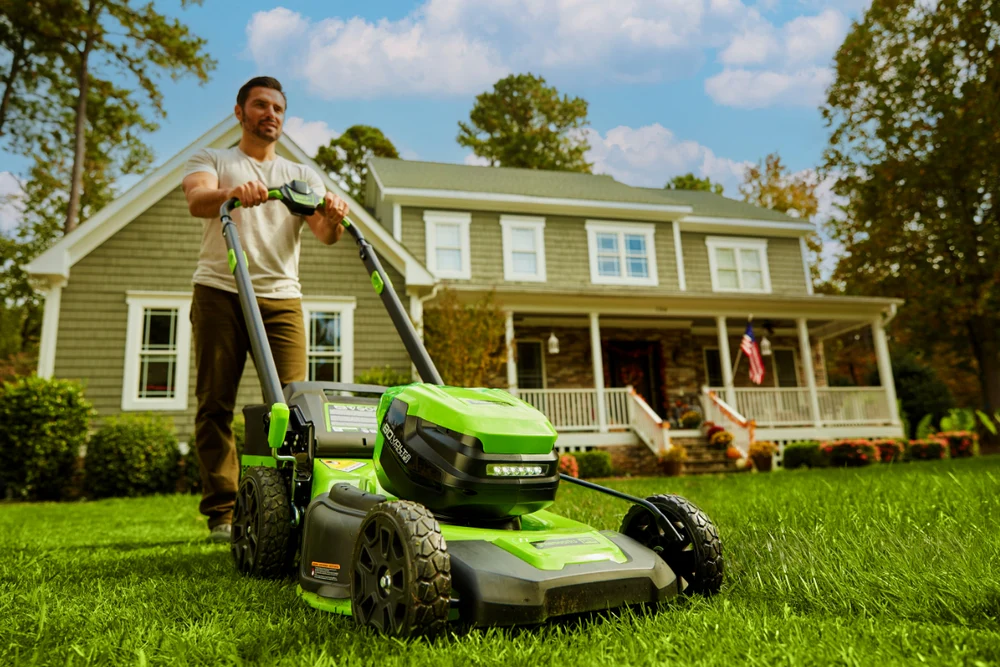
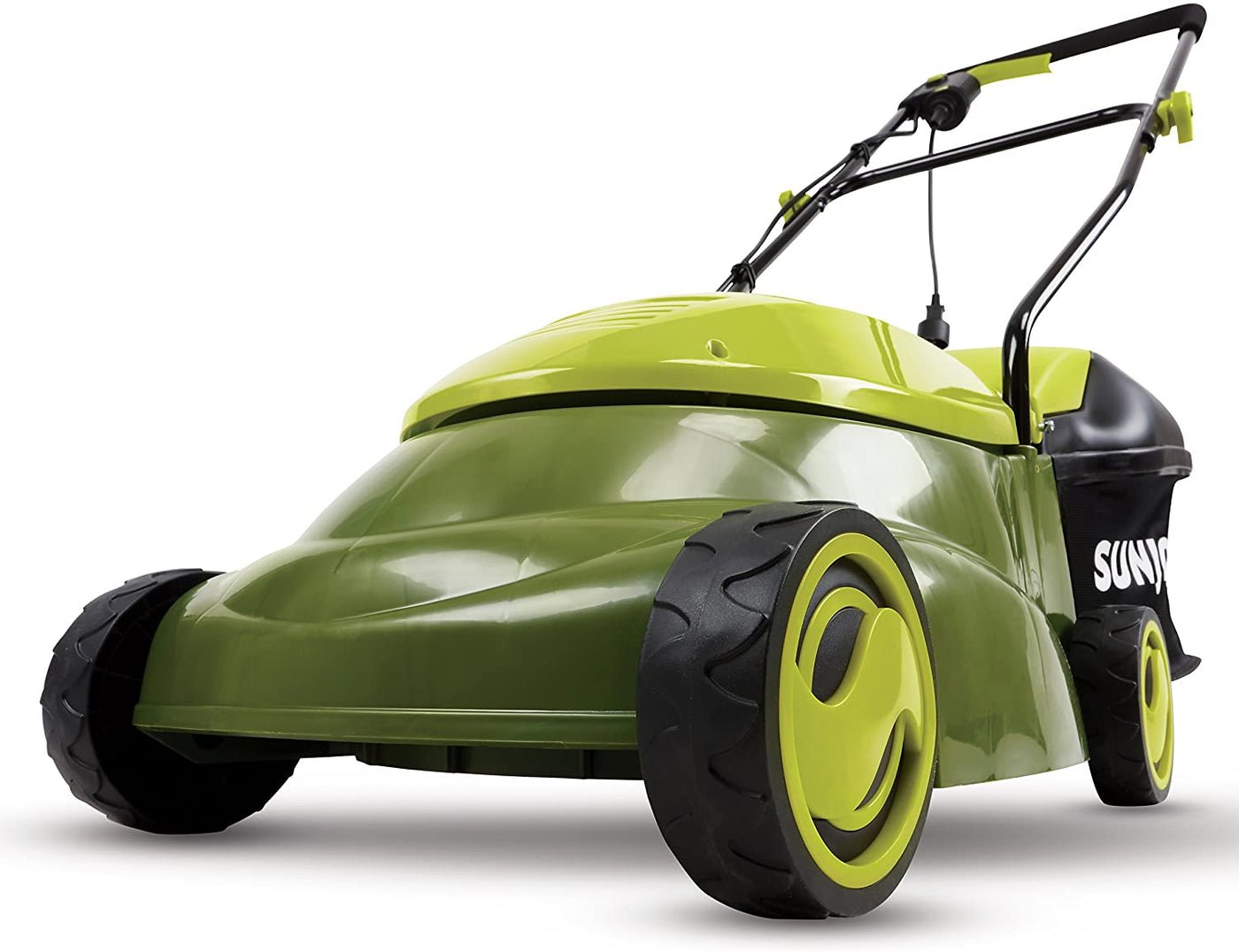
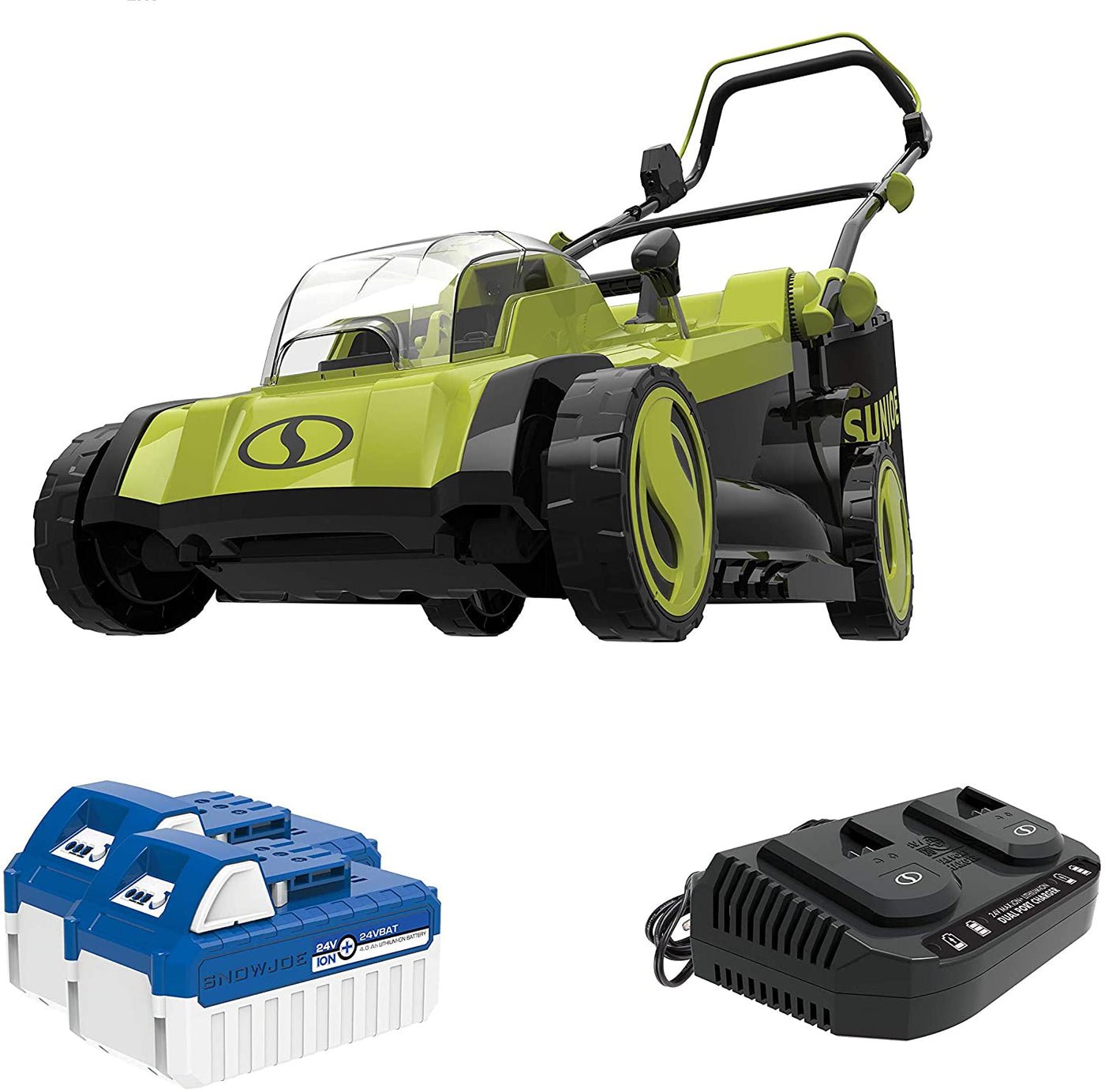
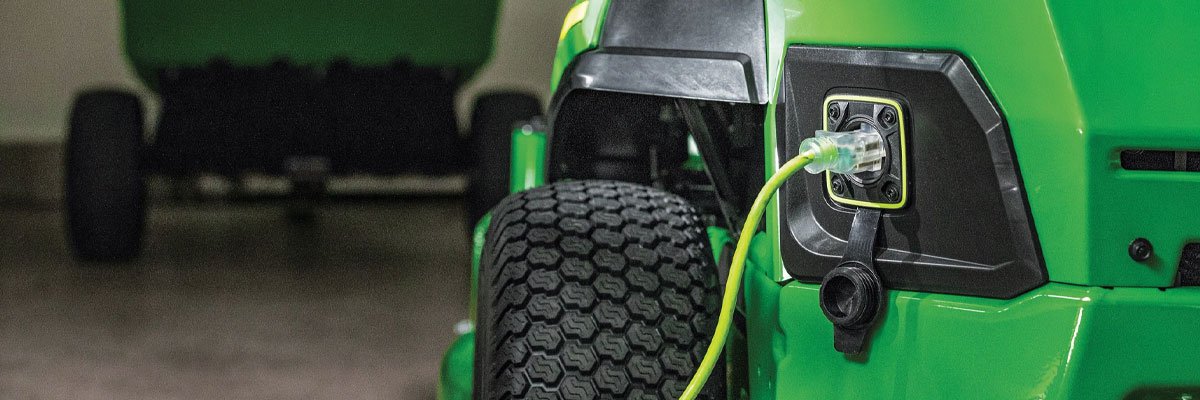
Electric Lawn Mowers Powered by a portable battery or a direct outlet, electric mowers are known for being quieter and producing zero emissions. They are typically lighter, making them easier to maneuver around tight corners. However, their runtime is limited by battery life or cord length, which can be a factor for larger properties.

The Most Popular Types of Mowers
If you enjoy variety, today’s modern mower marketplace has something for everyone. Whether you need raw power or eco-friendly precision, here is what you need to know about the current lineup.
1. Gas Lawn Mowers
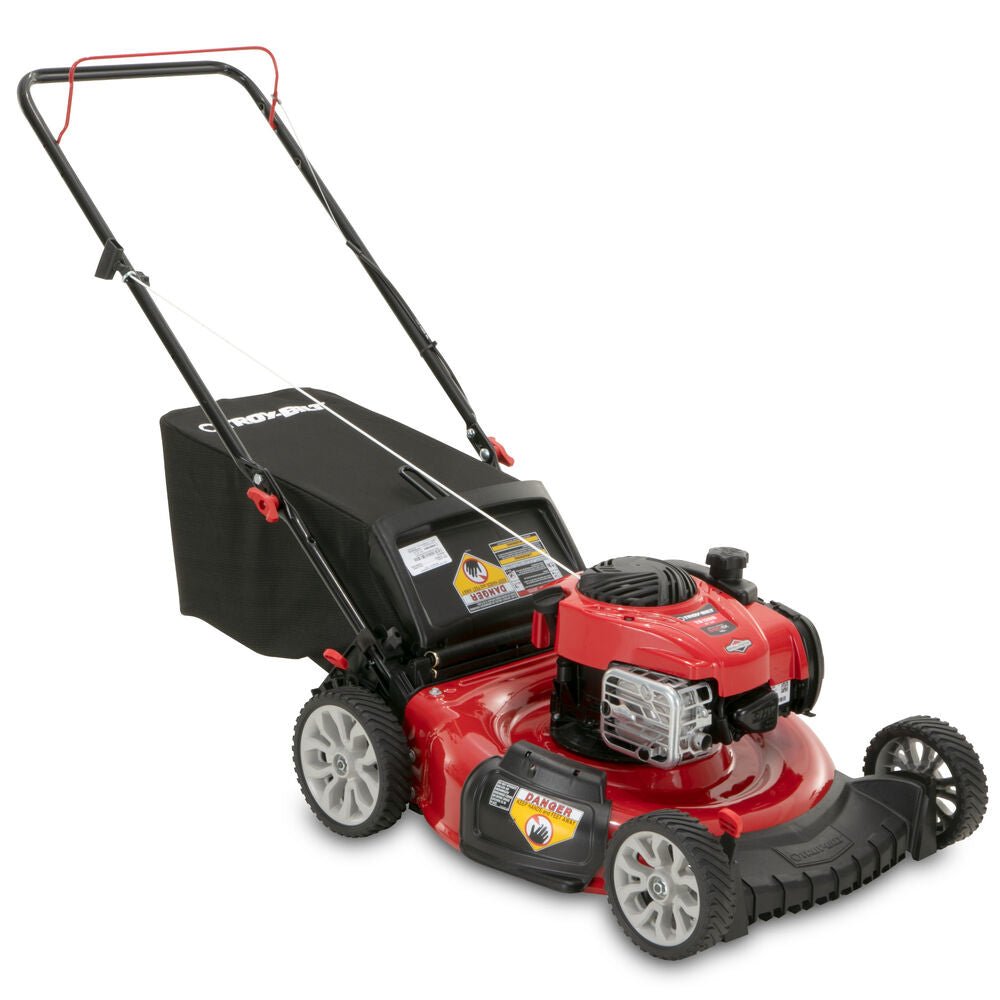
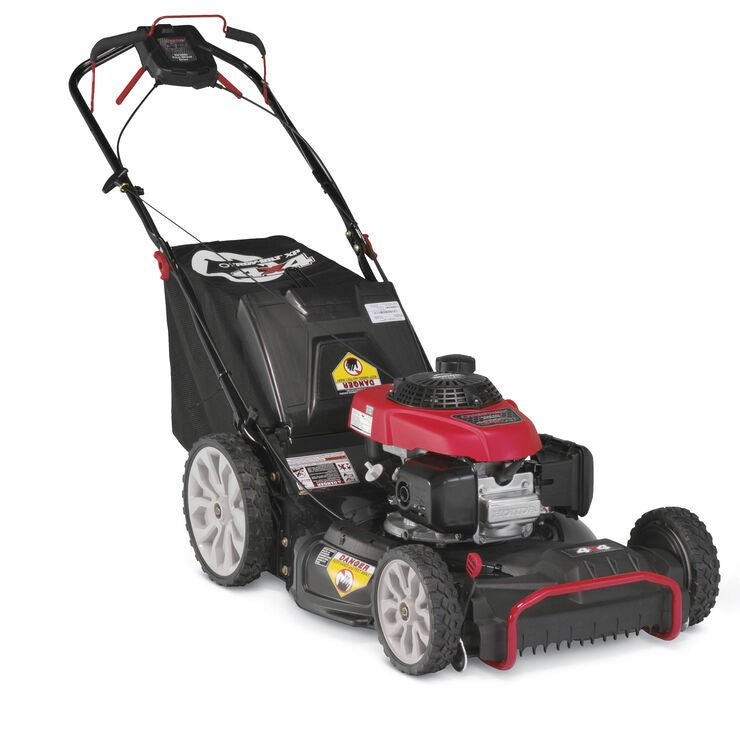
A gas mower uses an internal combustion engine. They are generally considered the “heavy hitters” of lawn care, capable of covering vast areas quickly. While they require more maintenance (oil changes, filters), their ability to run as long as you have fuel makes them indispensable for pros and large landowners.
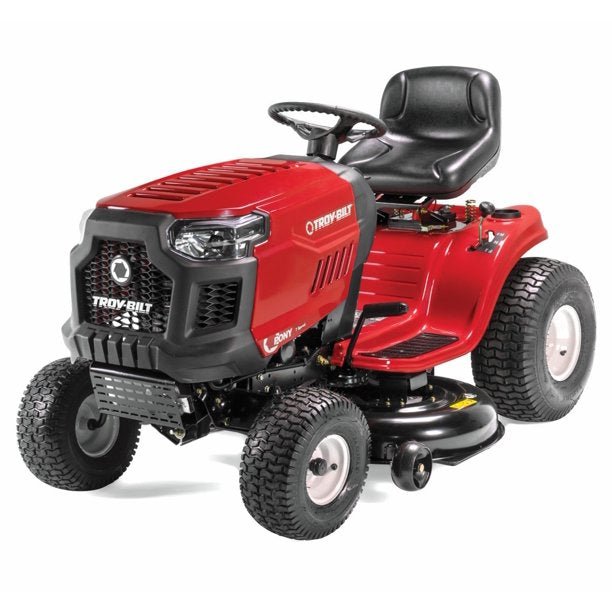
2. Riding Lawn Mowers
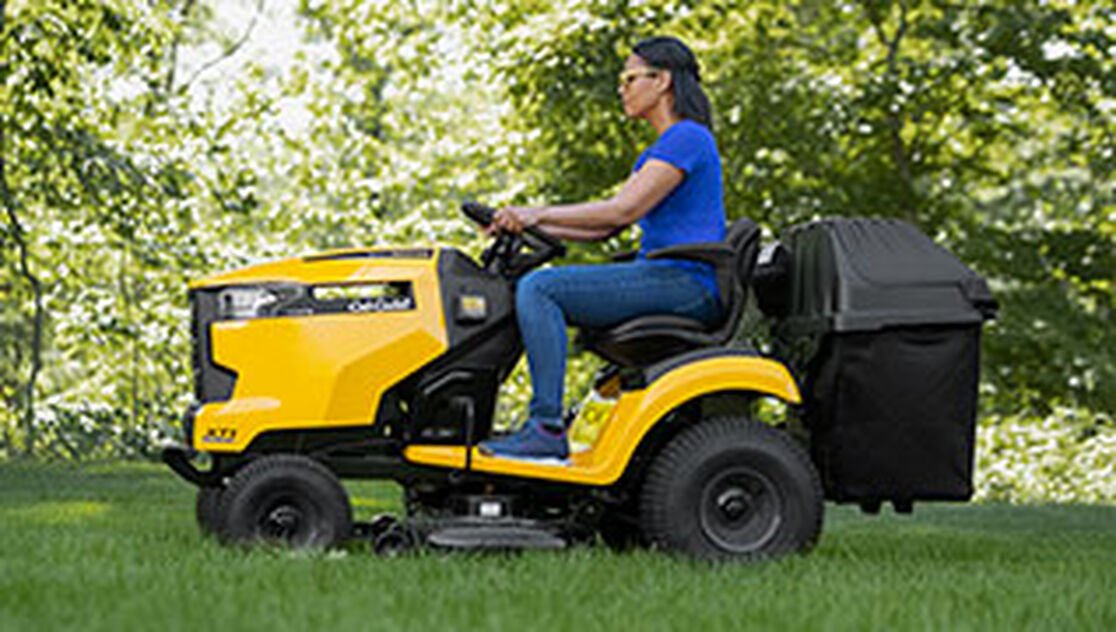
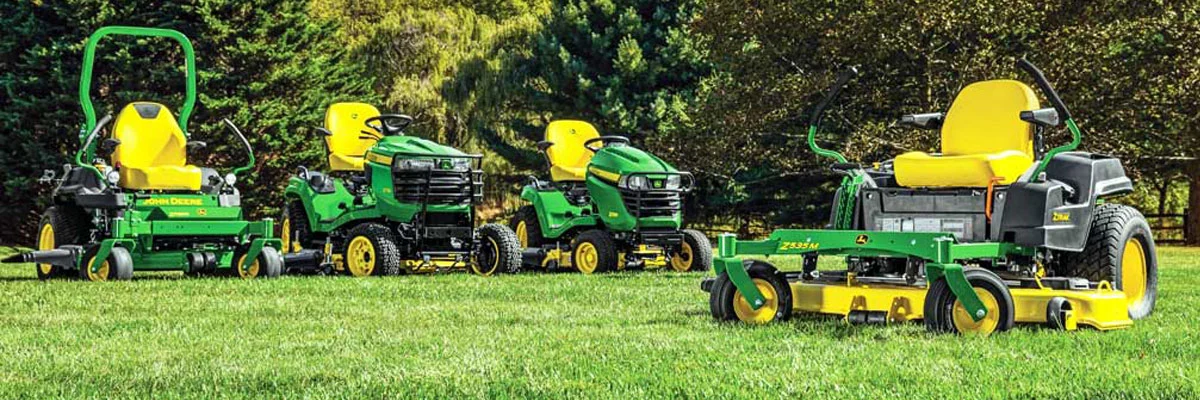
Riding mowers provide the ultimate efficiency for expansive lawns. Featuring comfortable seating and robust engines, they allow you to cover large areas with minimal fatigue. If you have significant acreage, a riding mower from our collection will ensure a consistently even cut while saving you hours of labor.
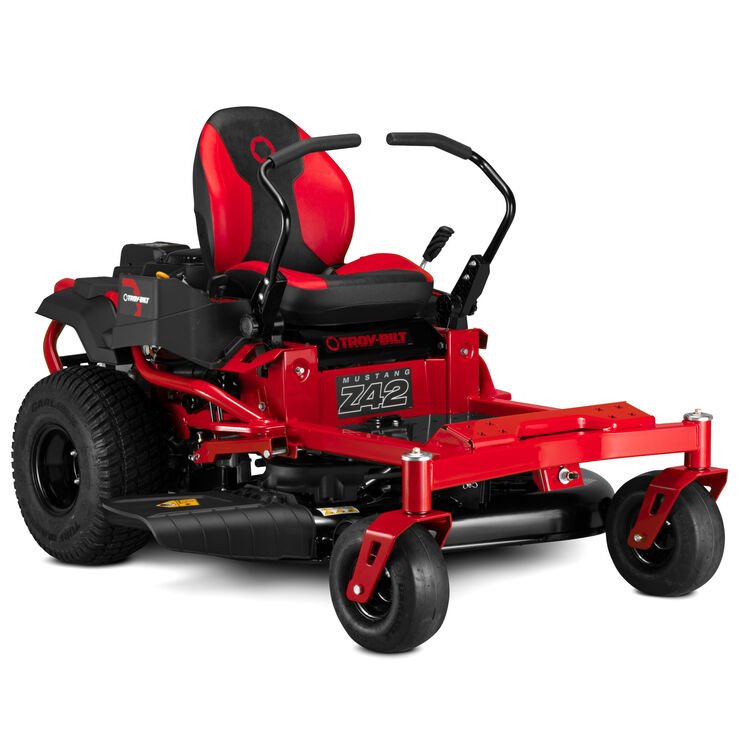
3. Zero-Turn Mowers
Zero-turn mowers are built for agility and speed.
Agility: Controlled by levers rather than a steering wheel, they can spin 360 degrees, making them perfect for navigating around trees and flower beds.
Power: Often equipped with high-horsepower engines.
Speed: capable of reaching mowing speeds of 6 to 8 mph, drastically reducing your mowing time.
4. Electric Mowers (Corded & Cordless)
Corded: Unlimited runtime but limited range. Voltage can drop over long extension cords, so these are best for small patches near the house.
Cordless (Battery): No cables to hold you back. Modern battery technology has improved significantly, though you typically get about 1 to 1.5 hours of runtime per charge.
5. Robotic Mowers
The “set it and forget it” option. These automatic mowers work quietly on rechargeable batteries. They are great for maintaining grass height daily but are less effective for overgrown terrain.
Factors to Consider When Buying
A quality mower is an investment. Here is what to look for before adding one to your cart:
Price vs. Performance: Don’t just look at the shiny exterior. Check the engine specs and deck size. If you are just starting out, a standard push mower might suffice, but upgrading to a rider is often worth the cost for the time saved.
Warranty & Support: Machines need maintenance. Ensure you choose a model with a reliable warranty to save on potential repairs down the line.
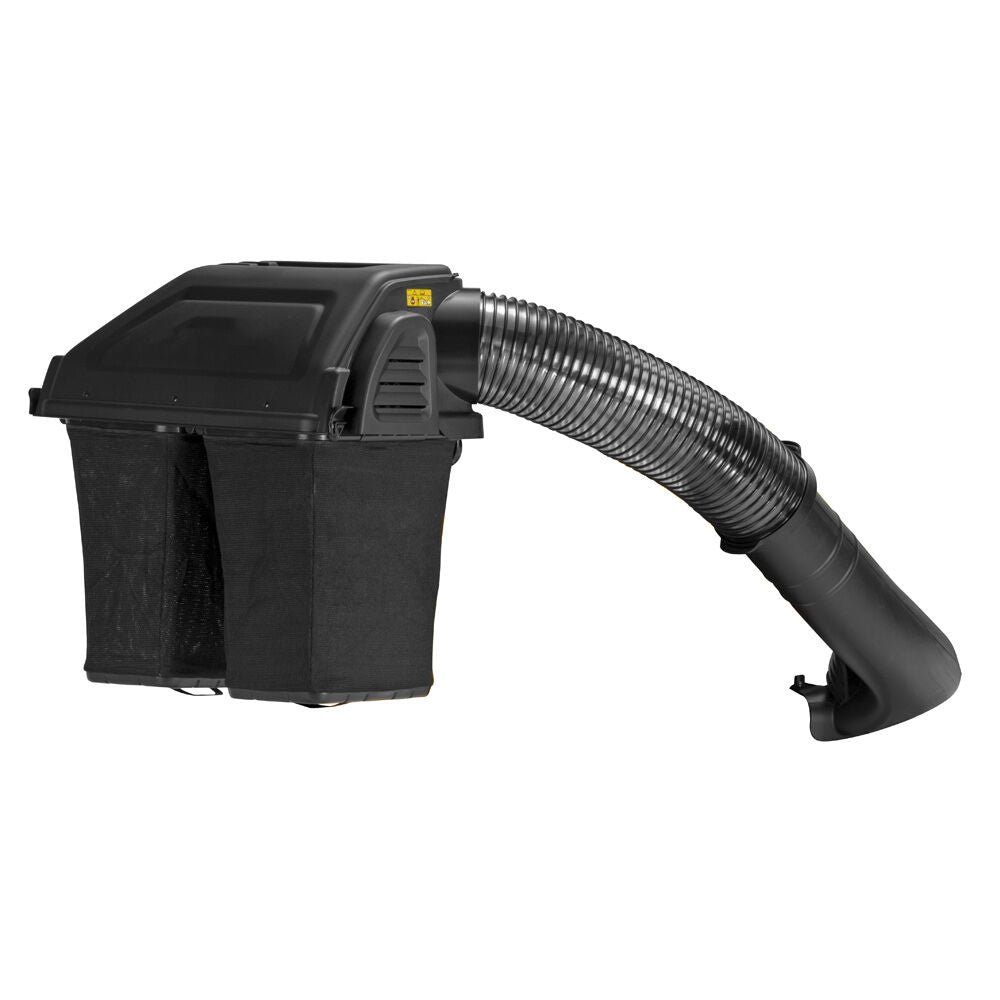
Mulching Capability: Mulching is a great way to nourish your soil naturally. A good mower will cut grass into fine pieces that decompose quickly, acting as free fertilizer for your lawn.
Terrain & Sod Type: If you have thick, tough sod or uneven ground, you need a mower with higher clearance and adjustable blade height.
Quick Comparison: Pros & Cons
Gas Mowers
Pros: High power, unlimited runtime (with fuel), sturdy build, parts are widely available.
Cons: Higher maintenance, louder operation, produces emissions, heavier to push.
Electric Mowers
Pros: Quiet operation, push-button start (no pulling cords), zero emissions, lighter weight.
Cons: Battery replacement costs, long charging times, shorter runtime, generally not recommended for wet weather.
Final Thoughts
If you have a smaller garden or noise restrictions, an electric mower is a fantastic, low-hassle choice. However, if you are maintaining a large property, a farm, or simply demand maximum power, a gas-burning machine remains the king of the lawn.
Ready to upgrade your gear? Explore Cadets Gear’s range of high-performance mowers to find the perfect fit for your landscape. Contact our team today if you need expert advice on choosing the machine that will last you for years to come.