









Mastering Turf Health: A Guide to Integrated Pest Management

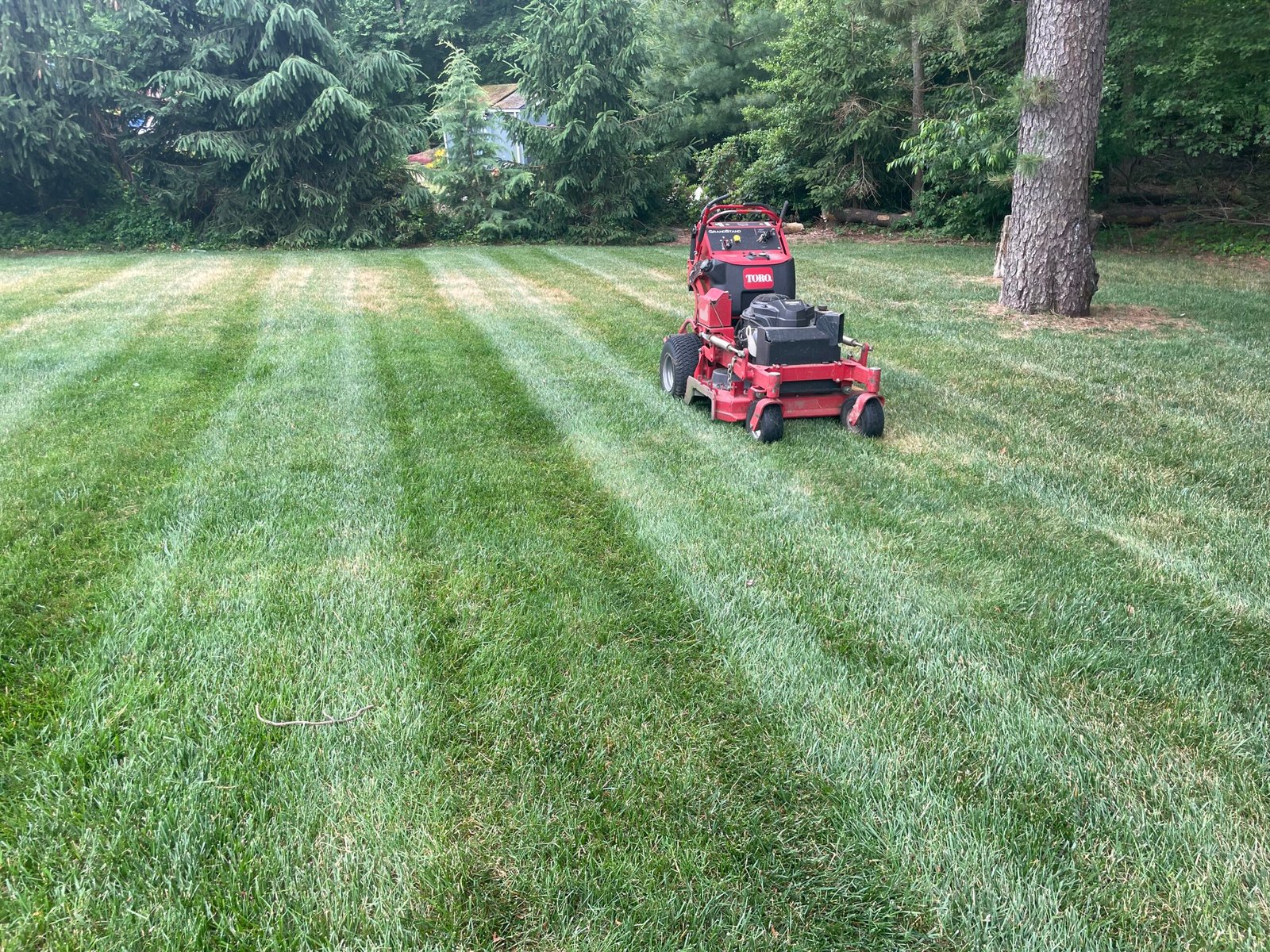
A pristine lawn requires more than just horsepower; it requires strategy. Integrated Pest Management (IPM) is a holistic approach to turf care that goes beyond simply spraying chemicals. By combining smart maintenance habits with the right biological and mechanical controls, you can build a lawn that fights off pests naturally.
At Cadets Gear, we believe in working smarter. Here is how to apply IPM principles to keep your turf rugged and resilient.
What is Turf Grass IPM?
Turf Grass IPM is a proactive defense system for your land. Instead of waiting for an infestation and reacting with heavy chemicals, IPM focuses on prevention. The goal is to create an environment where grass thrives and pests struggle to survive. It’s about maintaining a healthy, high-performance lawn while minimizing environmental impact.
The 4 Pillars of IPM Strategy
1. Cultural Practices: The First Line of Defense
Your daily and weekly maintenance routines are the biggest factors in preventing pests.
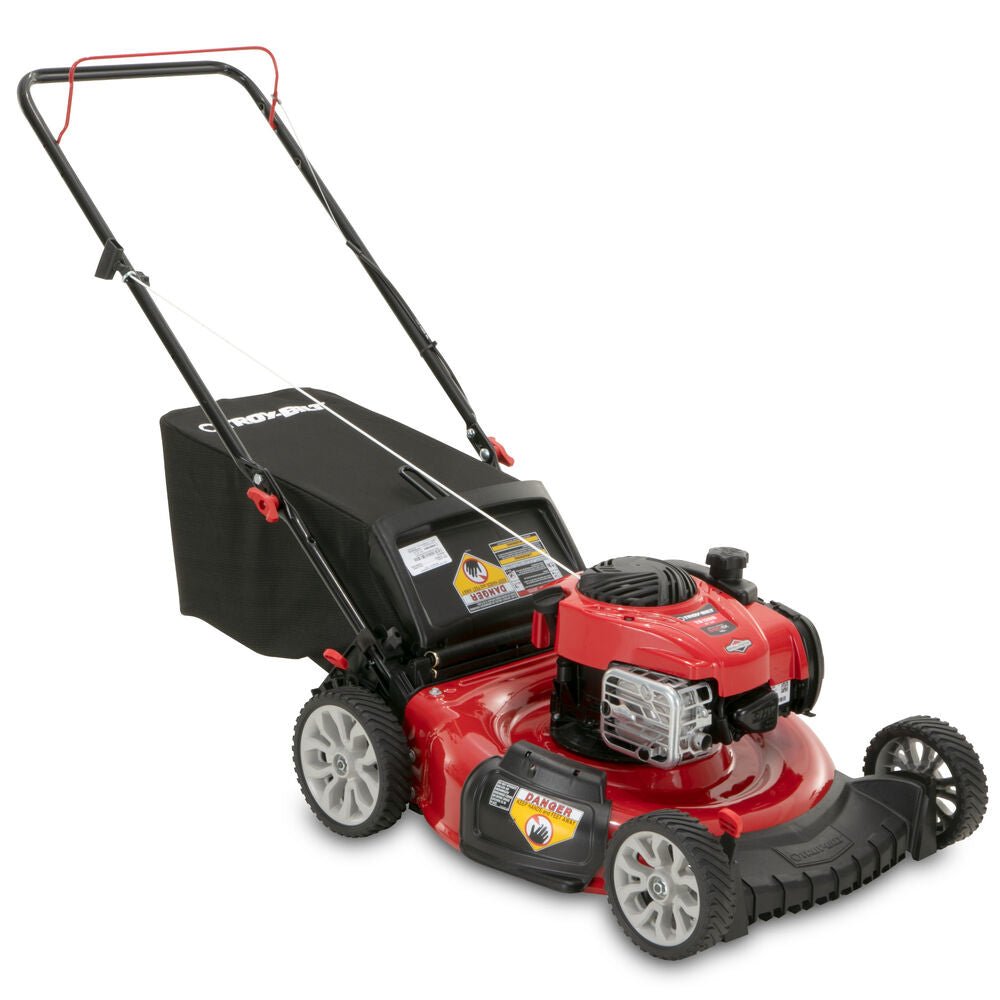
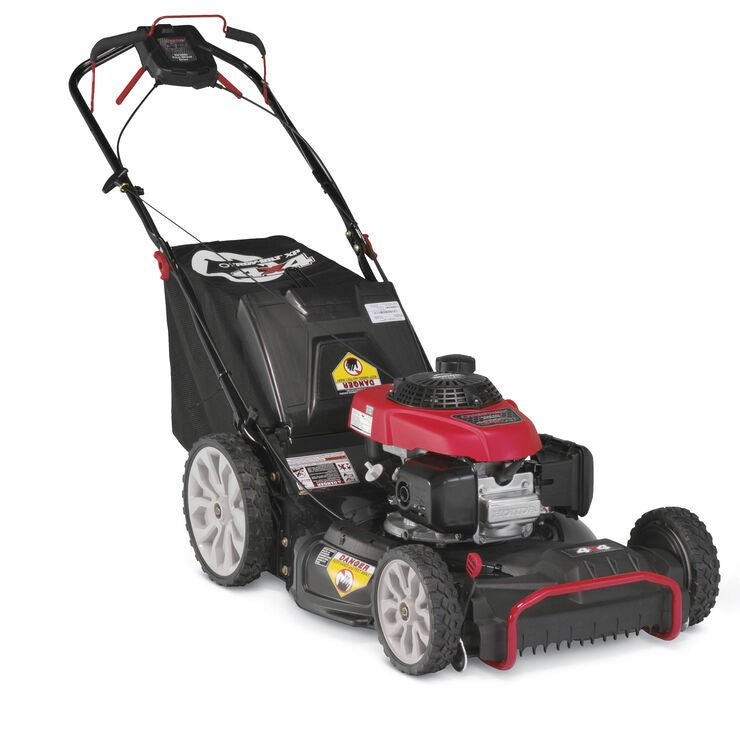
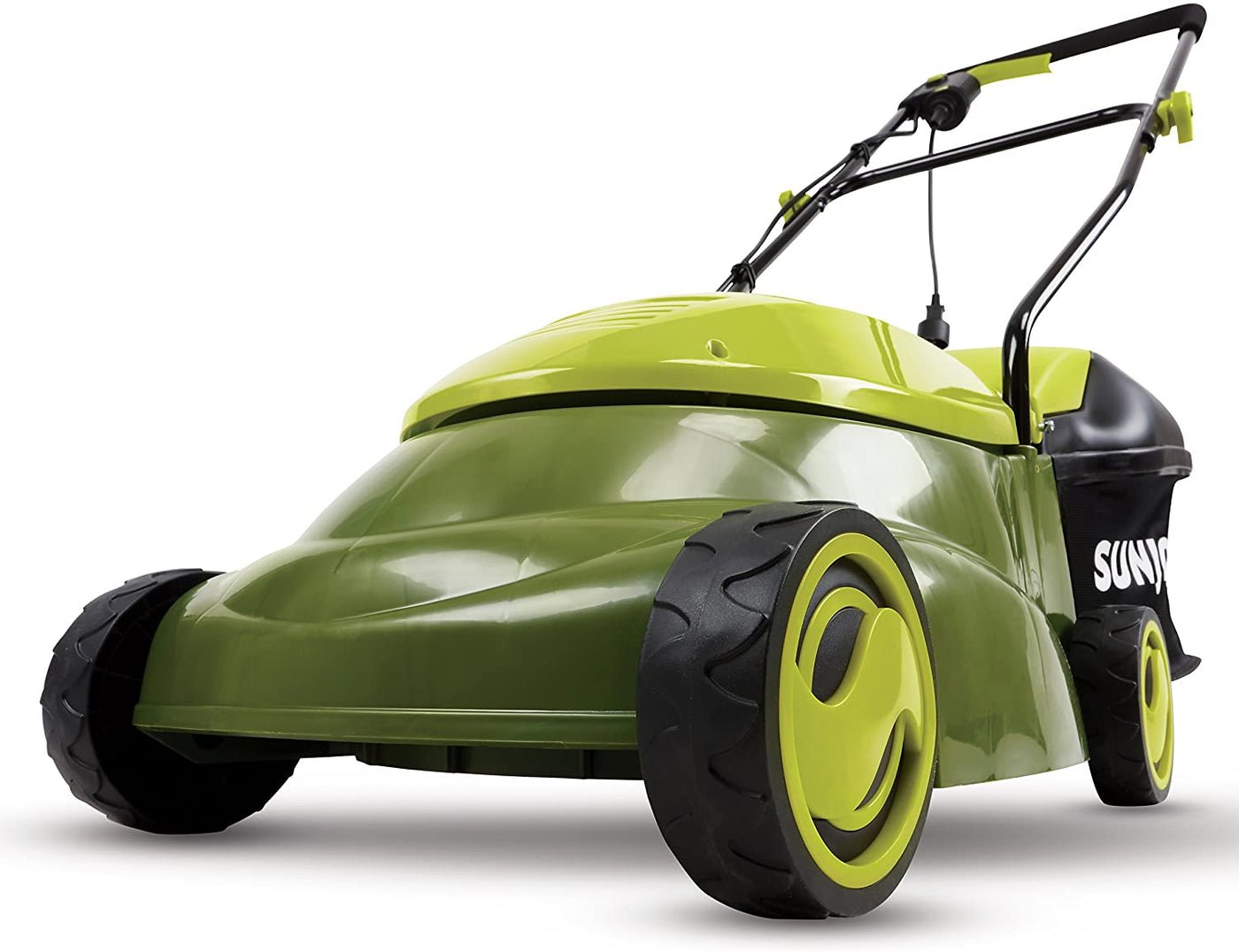
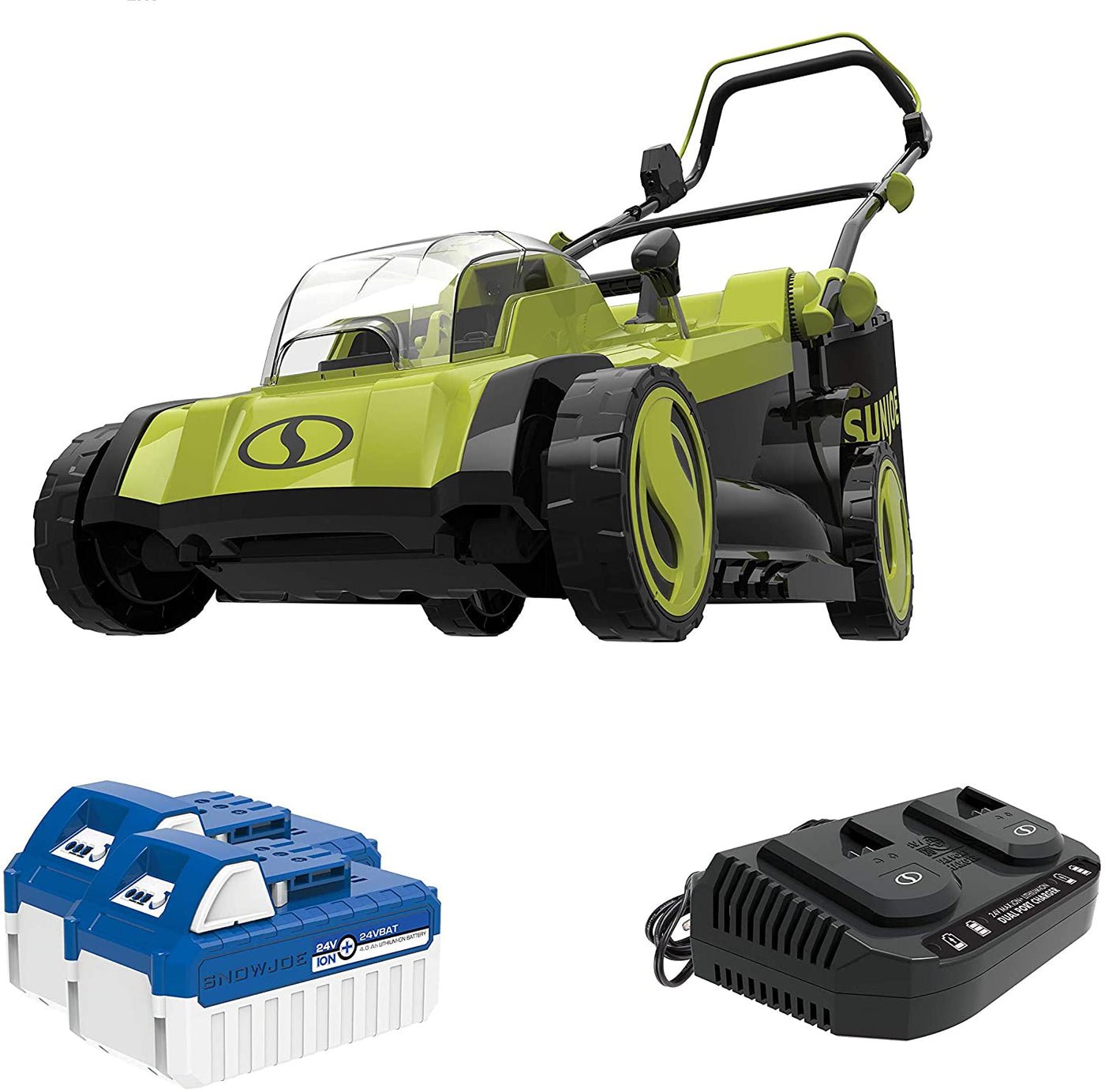
Precision Mowing: This is where your equipment matters. Maintaining the correct mowing height prevents weeds from getting the sunlight they need to germinate. Always ensure your mower blades are sharp to deliver a clean cut; dull blades tear the grass, leaving it vulnerable to disease.
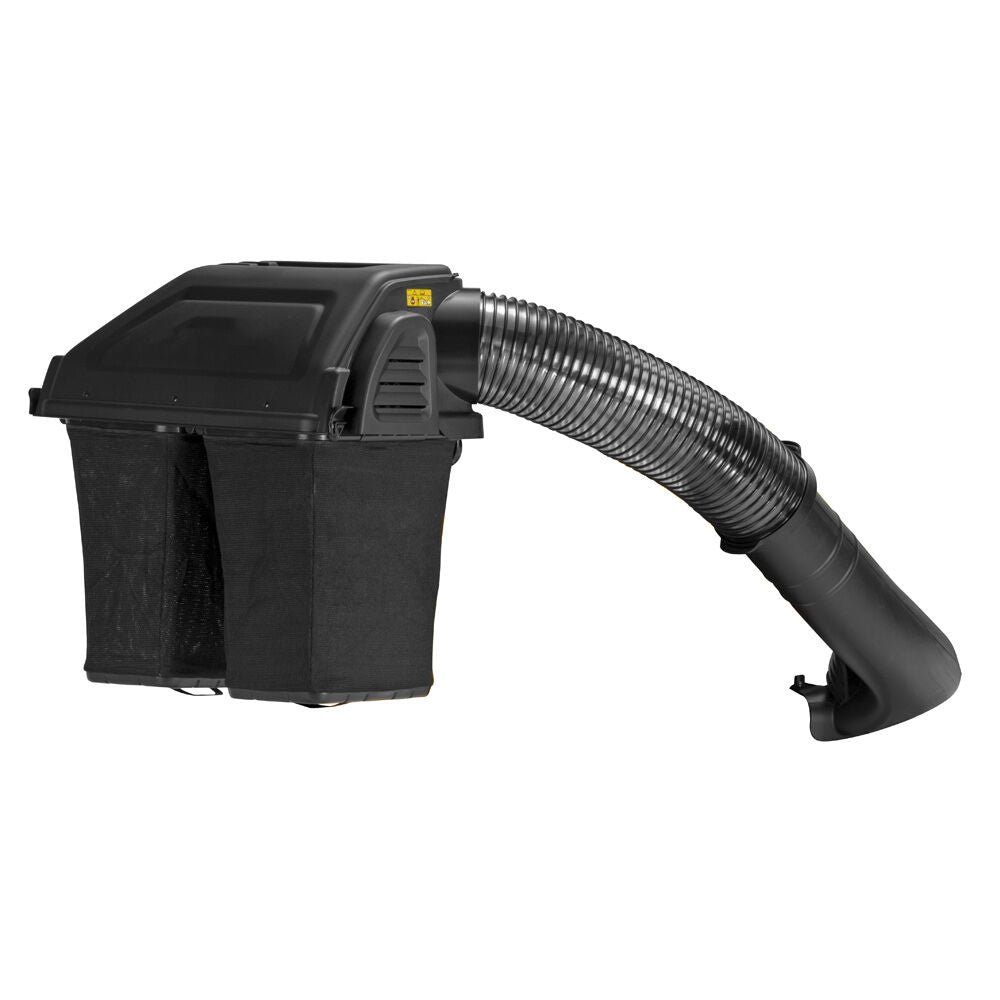
Clipping Management: Don’t just toss the clippings. Using a mulching kit on your mower returns valuable nutrients to the soil, reducing the need for artificial fertilizers.
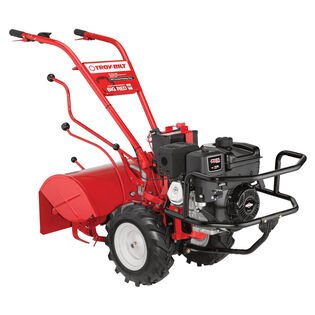
Aeration: Compacted soil suffocates roots. Regular core aeration opens up the ground, improving air and water flow. This stimulates deep root growth, making your turf tough enough to withstand pest pressure.
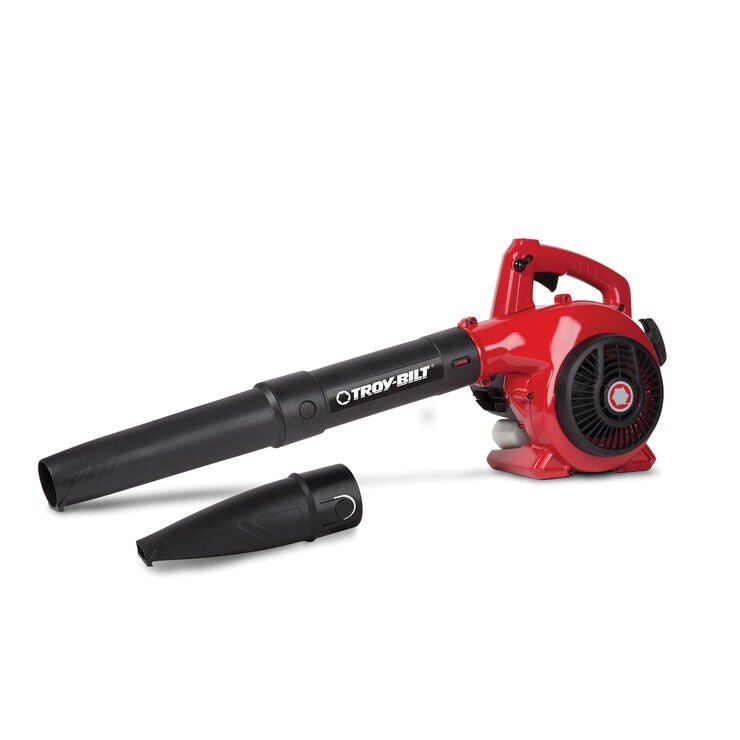
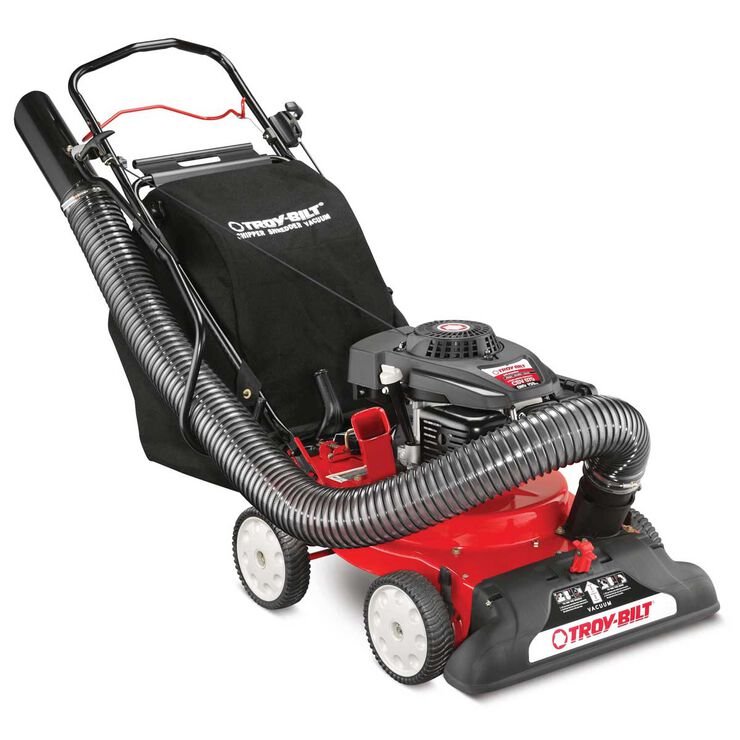
Leaf Management: Heavy leaf cover can trap moisture and invite fungal diseases. clear fallen leaves promptly to let your turf breathe.
2. Mechanical Controls: Physical Maintenance
Sometimes, you need to get hands-on to remove the problem.
Overseeding: A thick lawn is the best defense against weeds. engaging in regular overseeding introduces strong grass varieties that outcompete weeds and fill in bare spots where pests typically congregate.
Manual Removal: For small outbreaks, hand-pulling weeds ensures they don't compete with your turf for water and nutrients.
3. Biological Controls: Nature’s Workforce
Let nature do the heavy lifting by encouraging the "good guys."
Beneficial Insects: Predators like ladybugs and lacewings are natural enemies of common lawn destroyers like aphids and grubs.
Microbial Agents: Solutions like Bacillus thuringiensis (Bt) can target specific pest larvae effectively without harming the surrounding ecosystem.
4. Chemical Controls: The Targeted Approach
Chemicals are a tool, not a crutch. In an IPM system, they are used sparingly and strategically.
Spot Treatments: Instead of blanketing your entire property, treat only the areas with confirmed infestations. This saves money and protects the beneficial biology in the rest of your soil.
Selective Herbicides: When chemistry is needed, use products designed to target specific weeds while leaving your desirable turf grass unharmed.
Final Thoughts
Integrated Pest Management is about taking control of your landscape. It addresses the root cause of pest issues rather than just treating the symptoms. By combining high-quality maintenance equipment with these smart strategies, you can cultivate a lawn that looks professional and stands the test of time.
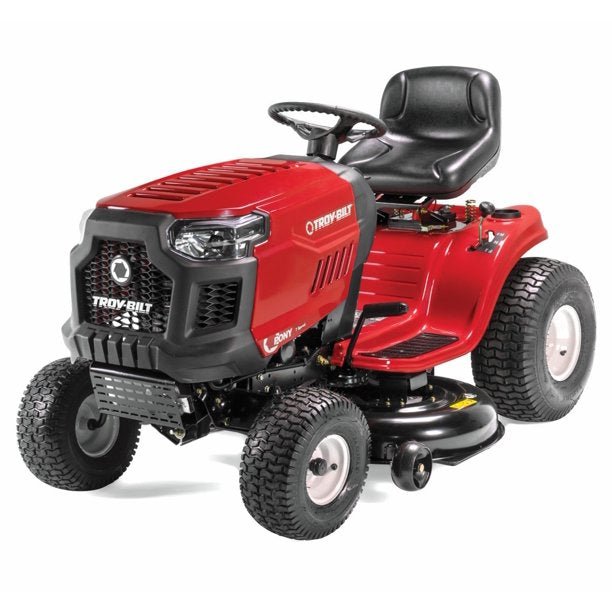
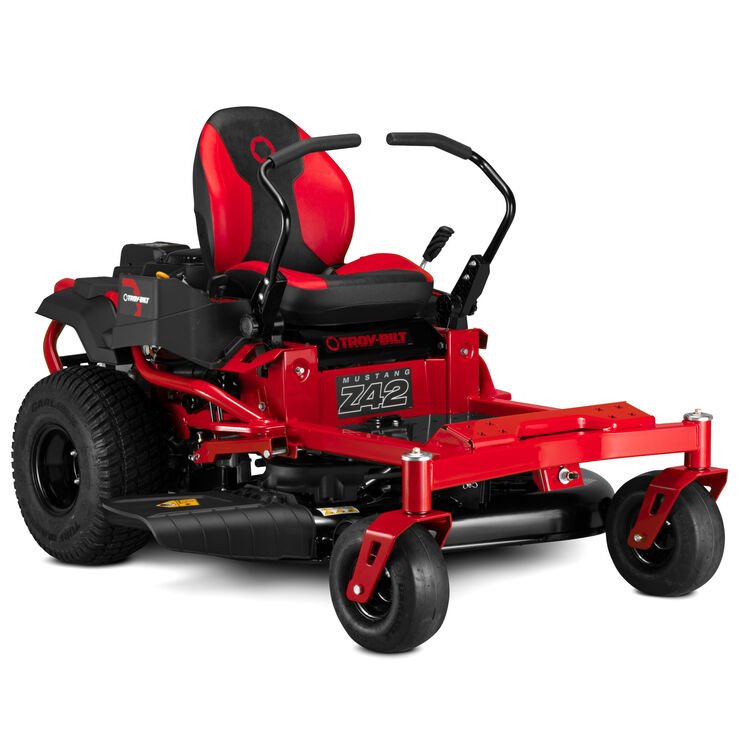
Need the right tools for the job? From high-performance zero-turn mowers to essential maintenance gear, Cadets Gear has what you need to master your landscape. Browse our collection today.